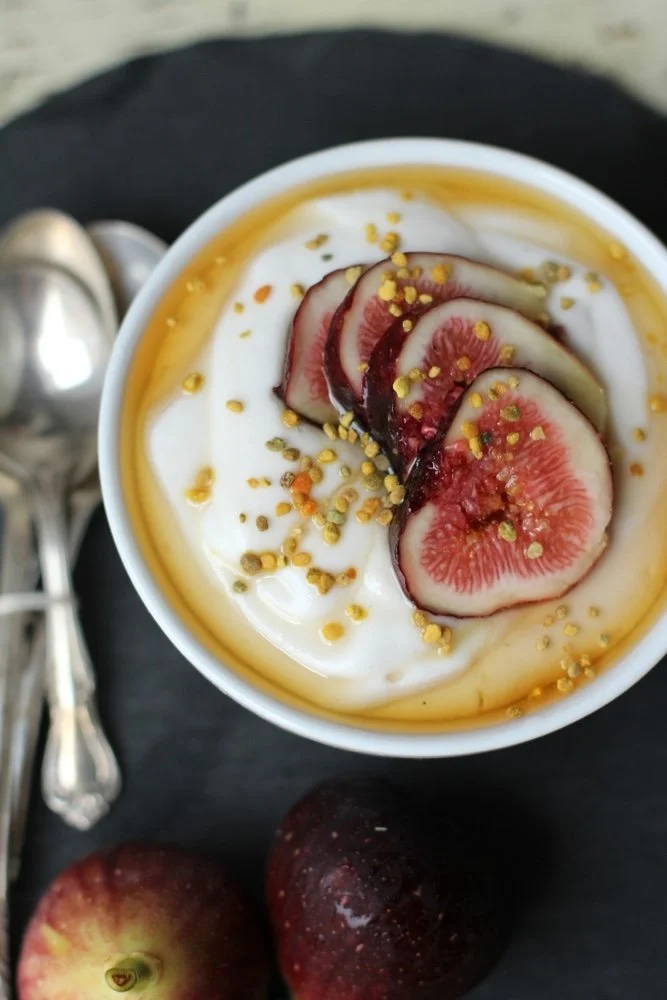
Fermented foods like yogurt, kefir, kimchi, and kraut have long been valued for their ability to support digestion. The fermentation process allows beneficial microbes to break down some of the sugars and larger food compounds in a food, making them easier to digest while introducing live cultures that support a healthy gut ecosystem. Fermentation can also increase the availability of certain nutrients and create compounds that interact with the gut and immune system.
That said, more is not necessarily better. In Ayurveda, fermentation increases amla rasa, the sour taste, which can increase heat and Pitta when consumed in excess. A shorter fermentation creates a milder, less sour coconut yogurt, making it a more suitable option when Pitta is elevated.
Classically, yogurt made from animal milk (dadhi) is considered nourishing, heating, and heavy, so it is best enjoyed fresh, in small amounts, and during the daytime rather than at night. In the Charaka Samhita, it recommends combining yogurt with foods such as ghee, honey, sugar, mung bean soup, or amalaki instead of on it’s own. Because coconut yogurt has different qualities from traditional dairy yogurt, it can be a versatile plant-based alternative. Enjoy it in small amounts during the daytime, alongside a meal, or if eaten on it’s own, pair it with naturally sweet fruits or a little sweetener according to your digestion and constitution.
PREP: 20 minutes | COOK: 6-12 hours | YIELD: 4 cups
Ingredients
3 cups young coconut meat (3-4 thai coconuts)
½ cup fresh coconut water
3 tablespoons coconut butter
1 teaspoon probiotic powder (about 5 capsules)
Instructions
Using a heavy cleaver or machete, lay your coconut on its side and carefully cut the top off. Remove the top shell, then pour the coconut water into a jar.
Once empty, turn the coconut right side up and quickly chop it in half. Using a spoon, scrape the meat out of the coconut, run under cool water to rinse off any pieces of the husk or shell. Repeat with the remaining coconuts.
Add the coconut meat, water, and butter into a high-speed blender. Blend until creamy. Add the probiotics to the mix and blend again on low until well combined. Transfer to a bowl. Cover with a porous cloth, like cheesecloth, to allow air to flow while keeping debris out.
Transfer the mixture to a clean glass or ceramic bowl and cover loosely with cheesecloth or another breathable cloth. Leave in a cool, dry place away from direct sunlight for 6-12 hours, tasting periodically until it reaches your preferred level of tanginess. Once fermented, transfer to an airtight glass container and refrigerate to slow fermentation. Use within 1 week.
Cooking Notes
Sourcing Coconut Meat: Skip the mature coconuts with the brown husks. You want young, green/yellow coconuts with plenty of water and soft, tender meat inside. Young Thai coconuts are often available at Asian grocery stores, and the texture and water content can vary, so you may need slightly more or less coconut water to reach a smooth, spoonable consistency. When I lived in Oklahoma City, I could find them at an incredible Vietnamese market down the street. Here on Kauaʻi, you can climb the trees and harvest them while they’re still in the shell. Or you can order flash-frozen coconut meat here.
Fermentation Time: A shorter ferment will produce a milder, sweeter yogurt, which is better for Pitta. Too sour and it increases internal heat. While longer ferment times become increasingly tangy and sour, a bit more warming for the body. Begin tasting around 6 hours and refrigerate once it reaches the flavor you like.
Cleanliness Notes: Use a clean blender, bowl, utensils, and storage container when working with live cultures. If the yogurt develops an unusual color, odor, or visible mold, discard it. Otherwise, don’t get too nervous about the fermentation process. Once you try it, you’ll find it’s very easy to do.
Dosha Notes
V: Opt for a longer ferment time
P: Opt for a shorter ferment time
K: Enjoy in the daytime, never at night or a damp morning
Nutrition
(Per serving - 1 cup)
Calories: 360–400 kcal
Protein: 4–6 g
Fat: 32–36 g
Carbs: 14–18 g
Sugar: 8–10 g
Fiber: 6–8 g
Shop Kitchen Essentials
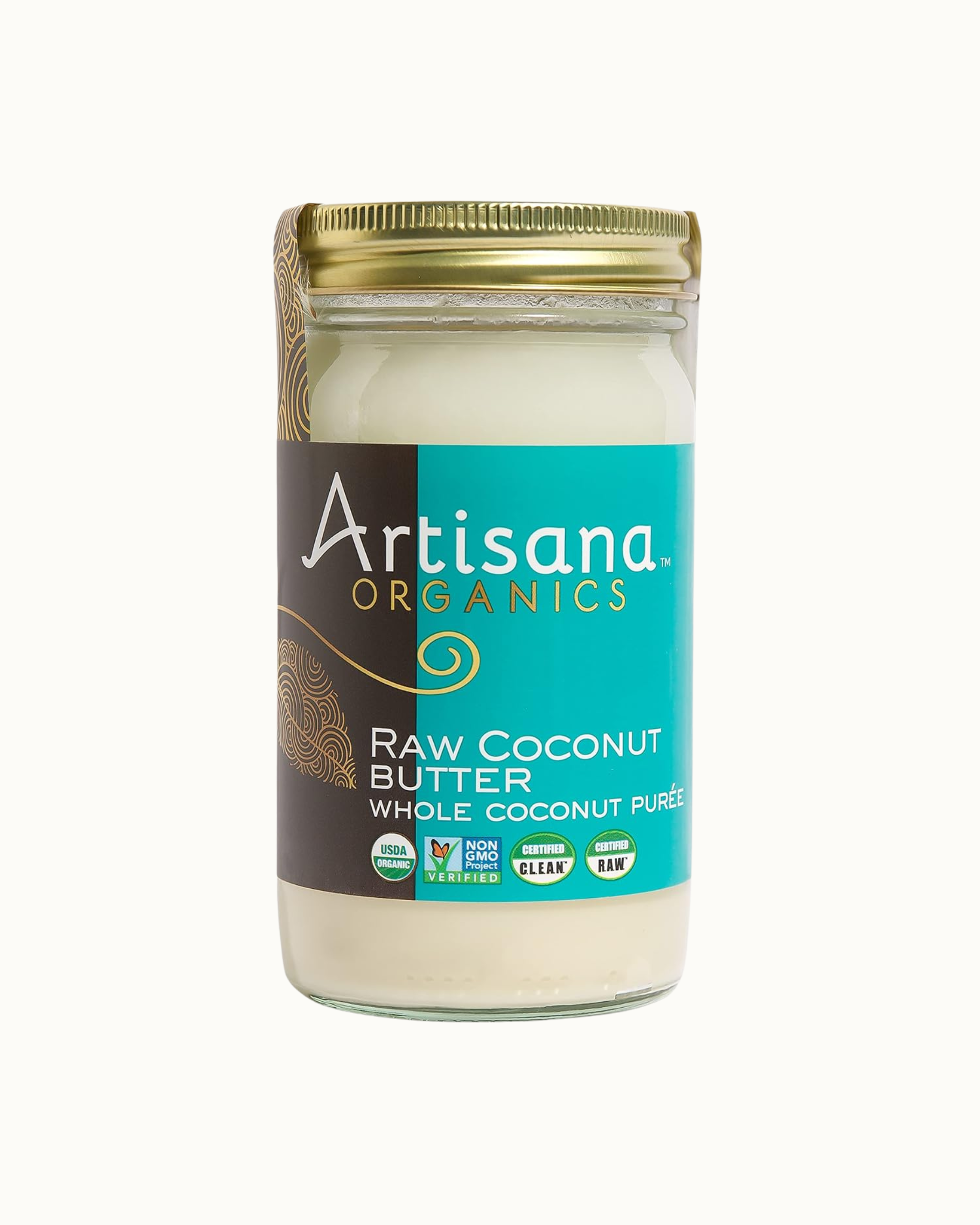
Coconut Butter
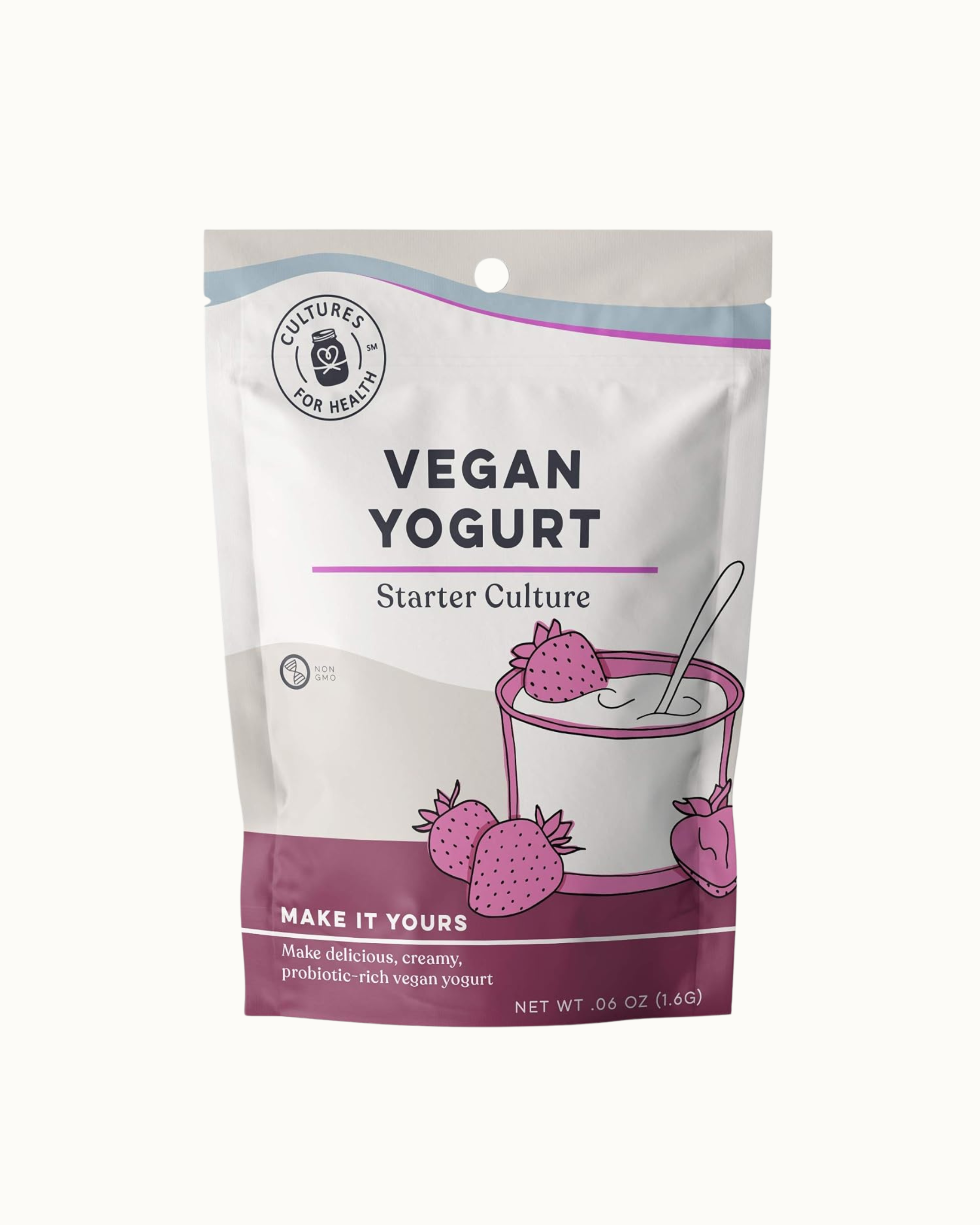
Probiotic Yogurt Starter